The Biggest Problem with Traditional SIEM? Too Much Data, Not Enough Context
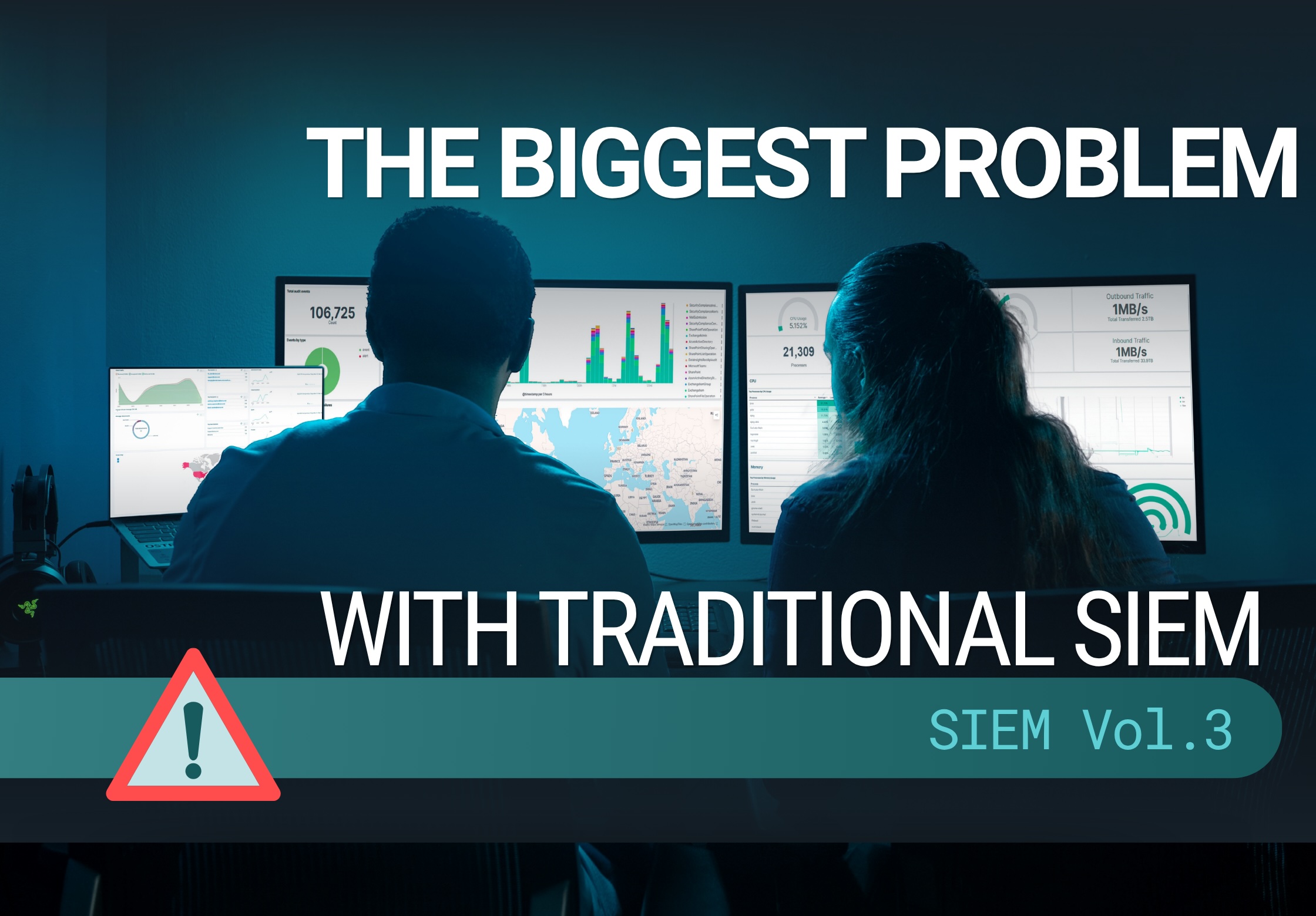
Every new security tool promises more visibility, but in reality, many organizations have the opposite problem. They're overwhelmed with data.
Firewalls, endpoints, cloud applications, identity providers, email security, vulnerability scanners, and countless other tools generate millions of security events every day.
The challenge is understanding what deserves your attention.
Data Without Context Creates Alert Fatigue
Most security teams don't wake up wishing they had more alerts; they wish they had fewer alerts they could actually trust. Without correlation and prioritization, analysts spend hours manually connecting events across multiple systems before they can determine whether an incident is real. That delays response and increases burnout.
Visibility Means Understanding What's Happening
True security visibility is about knowing:
- Which threats require action today
- Which systems are affected
- How events are connected
- What business risk exists
- What should happen next
That's the difference between information and intelligence.
The Best Security Programs Prioritize Signal Over Noise
Modern security operations should reduce complexity, not add to it. The goal isn't to collect every possible log. The goal is to surface the right information at the right time so teams can make informed decisions quickly.
Organizations don't become more secure because they purchased another platform. They become more secure when they understand their environment, identify meaningful threats, and respond confidently.
That's why the conversation is shifting away from simply managing logs and toward delivering actionable security visibility.
See Security Visibility in Action
Reading about centralized visibility is one thing. Seeing it is another thing. Connect with us for a short demo of Ostra Pulse to see how correlated security data becomes prioritized, actionable insight.